
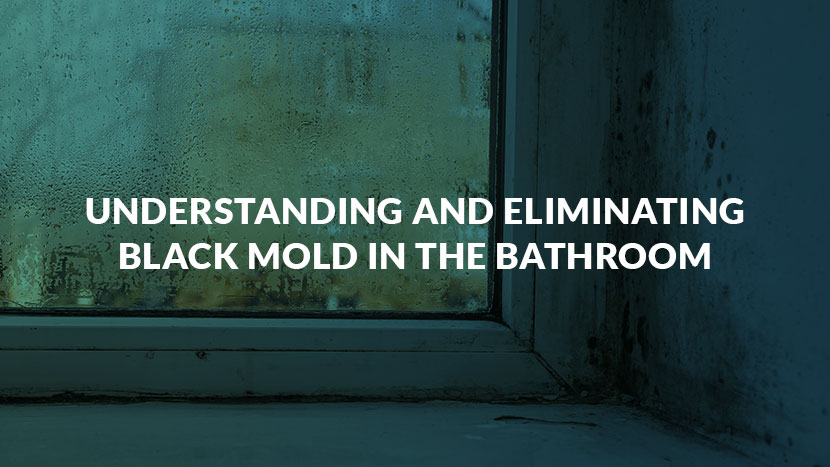
Step into any home improvement forum, and you will see the same frantic posts: “Help! I’ve got black mold in bathroom grout – what do I do?” The concern is justified. Black mold in bathroom spaces is more than an ugly discoloration on tile; it is a living colony that releases spores and toxins into the air you breathe every morning and night.
When left unchecked, black mold in bathroom grout, caulk, ceilings, and even the ventilation system spreads swiftly. Adults with allergies, asthma, or weakened immune systems pay the steepest price, often experiencing aggravated symptoms in their own homes. Learn why bathrooms create the perfect breeding ground, how to recognize early warning signs, and which steps you can safely take yourself.
When you are dealing with mold in your home, contact the mold abatement experts who can eliminate mold and restore your home with speed and efficiency – CLEAR Restoration. We’re just a call away; dial 225-245-3575 today to learn more about our expert mold abatement services.
Black Mold in Bathroom: Why Bathrooms Breed Trouble
Moisture, warmth, and organic residue form the lethal trifecta that fosters black mold in bathroom corners. Understanding these factors is the first step toward reducing the risk of mold growth in your bathroom. The reasons why bathrooms breed black mold are due to:
- Persistent humidity from hot showers keeps surfaces damp long after the water is turned off.
- Leaky faucets or toilet seals introduce a steady trickle of fresh moisture, even between showers.
- Soap scum and skin cells supply an unexpected buffet that fuels black mold in bathroom tile joints.
Combine those factors with insufficient airflow, and your bathroom becomes a miniature rainforest. Interrupt any piece of this triangle—moisture, warmth, or food—and you drastically limit the opportunity for black mold in bathroom alcoves to take hold.
[Related: Causes and Prevention of Black Mold]
Health Risks You Can’t Ignore with Black Mold in the Bathroom
Many adults shrug off small patches of discoloration as “just mildew,” yet the health implications are serious. Once black mold on bathroom surfaces matures, it releases microscopic spores into the air every time you flush, run the shower, or even turn on the exhaust fan.
Inhaling those spores can ignite chronic coughing, sinus pressure, headaches, and a relentless feeling of fatigue that seems to resolve only when you’re away from home. Worse still, long-term exposure may suppress the immune system, leaving you vulnerable to seasonal colds and secondary infections.
If you or a family member notices respiratory issues that mysteriously worsen in the mornings or after bathing, don’t pass it off as stress. Black mold in the bathroom could be exacerbating or even causing your symptoms, and the solution starts with accurate identification.
[Related: Can Mold Weaken Your Immune System?]
How to Detect Black Mold in Bathroom
You can’t combat an enemy you can’t see. Use this simple checklist to verify whether the suspicious staining really is black mold in bathroom trouble spots. Some visual and sensory cues of black mold in the bathroom are:
- Dark pepper-like specks or greenish stains along grout lines, caulking, or ceiling paint.
- Persistent musty odor, especially behind shower curtains or under vanities.
- Damp areas at baseboards or near tub edges that never fully dry.
- A moisture-meter reading above 15% on drywall or subflooring—often the smoking gun for hidden black mold in bathroom cavities.
Document what you find and note the approximate square footage. A few isolated dots are manageable for a determined DIYer, but any area larger than 10 sq. ft. usually signals it’s time to bring in professionals. At CLEAR Restoration, we can tackle any mold problem you have, including black mold in the bathroom, so your health is protected, your home’s structure is strong and safe, and your life is restored to normal.
Black Mold in Bathroom: DIY Prevention Tips
Good habits outmuscle chemicals. The following routine, practiced consistently, can keep black mold in bathroom crevices from ever gaining a foothold:
- Run an exhaust fan or open a window for 30 minutes after every shower.
- Squeegee tiles, glass, and the tub wall daily; water removal starves black mold in bathroom grout of essential moisture.
- Seal grout annually with a silicone-based sealer to create a water-repellent barrier.
- Wipe fixtures weekly with a 50/50 white-vinegar solution—acidic enough to discourage colonies yet gentle on finishes.
- Repair dripping faucets within 24 hours; even tiny leaks create constant dampness.
These steps cost pennies but save thousands in future remediation. Remember, the goal is not to wage a one-time war but to establish an environment so inhospitable that black mold on bathroom surfaces can’t survive.
Contact CLEAR Restoration for Expert Mold Abatement
Despite your best efforts, situations arise when DIY measures could end up spreading spores and escalating costs. When contamination covers more than 10 sq. ft. in your home, you see the frequent reappearance of black mold in your bathroom despite cleaning, and mold spreading to multiple rooms, it’s time for professional mold abatement services.
Don’t allow black mold in bathroom areas to jeopardize your health, your property value, or your peace of mind. Contact CLEAR Restoration today at 225-245-3575 for expert mold abatement services that protect your health and home, helping you breathe easier.